
What Homeowners Should Know Before Renovating a Historic DC Row House
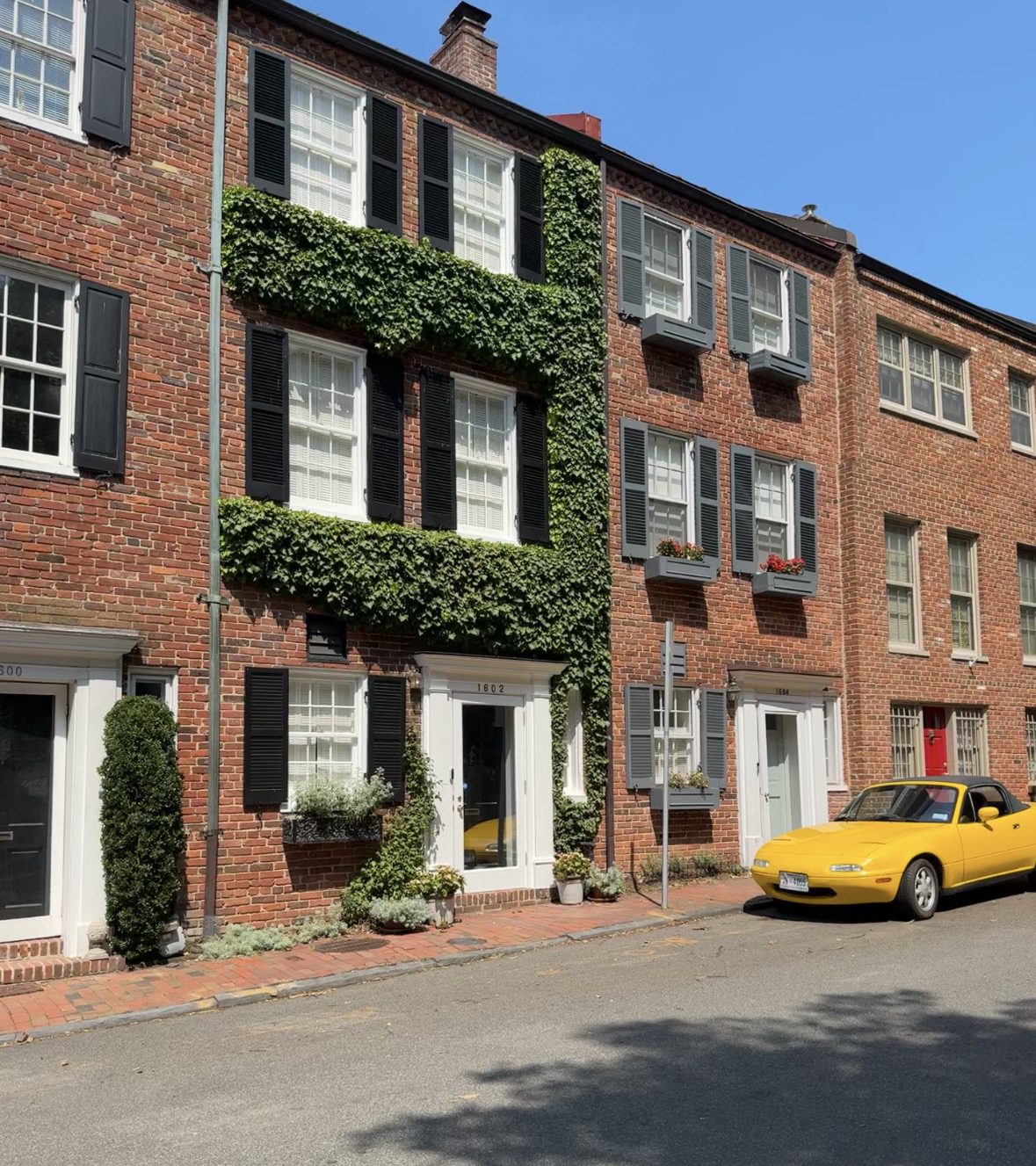
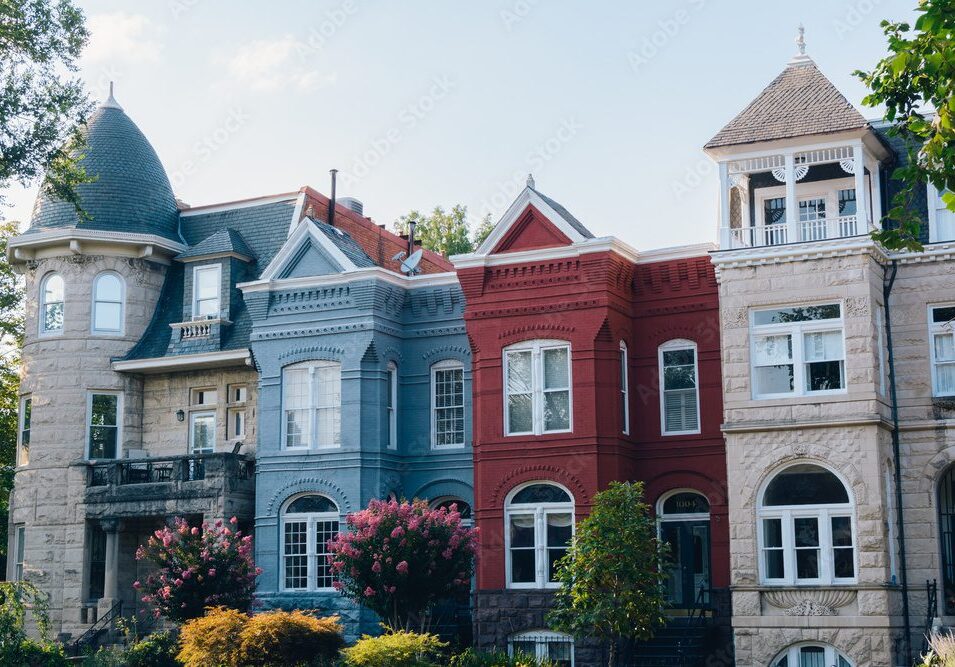
There’s something I love about walking through Georgetown or Capitol Hill and seeing how each row house has its own personality. The colorful facades, intricate ironwork, original windows, and architectural details tell the story of Washington, DC, and the generations of families who have called these houses home.
But renovating one of these beautiful old homes requires a little more patience, planning, and expertise than homeowners might initially expect.
I believe the most important part of a successful historic renovation happens long before the finishes are selected. It begins with understanding the house itself, addressing what needs attention, and bringing together the right people to guide the process.
The Work You Don’t See Is Just as Important
When homeowners begin imagining a renovation, they’re understandably excited about the finished spaces. They’re thinking about the kitchen, the bathrooms, the beautiful lighting, and how their family will enjoy the home.
But historic houses often have a few surprises waiting behind their walls.
Depending on the home’s age and condition, we may need to address outdated electrical systems, lead plumbing, lead paint, foundation concerns, or windows that are no longer functioning as they should.
These are essential considerations, even if they aren’t the most exciting parts of a renovation.
I find the construction of older homes fascinating. When an electrician opens a plaster wall and discovers horsehair mixed into the original material, it’s a little reminder of how differently these houses were built.
It’s also a reminder of why the professionals working on them need to understand historic construction methods. Repairing plaster, preserving original millwork, and updating electrical systems within older walls require a different level of familiarity than working in a newly constructed house.
Taking care of the home’s underlying needs helps protect the investment you’re making in everything that follows.
Permitting Deserves Attention Early
One of the things I think homeowners most often underestimate about renovating a DC row house is permitting.
Depending on where the property is located and the work being proposed, there may be additional reviews or restrictions, particularly within designated historic districts.
Changes to exterior windows, for example, can require careful consideration. While adding windows at the rear or side of a house might be a wonderful way to introduce more natural light, what’s possible depends on the property and applicable requirements.
These considerations can influence the design well before construction begins.
And when you’re coordinating architects, contractors, material lead times, and perhaps even temporary housing, it’s understandable to want everything to move quickly.
But rushing decisions before the scope and necessary approvals are understood can create complications later.
I always encourage homeowners to give the early planning stages the attention they deserve. It’s much easier to make thoughtful decisions when the right questions have been considered from the beginning.
The Right Team Makes All the Difference
Historic renovations are collaborative by nature, and I place tremendous value on working with professionals who appreciate the architecture as much as I do.
An architect familiar with historic Washington homes understands the importance of original proportions, period millwork, and the requirements that may influence a renovation.
A qualified general contractor and experienced tradespeople know how to approach older materials and the unexpected conditions that can arise during construction.
And as an interior designer, my responsibility is to understand how the homeowners want to live in the space and guide the design decisions that bring everything together.
That means thinking beyond the individual rooms or finishes. How will the family use the house every day? Which original features should be preserved? Where can we improve functionality without losing the qualities that make the home special?
Those questions inform the work we do alongside the architect and builder, helping create a cohesive direction for the renovation.
For me, the best projects are rooted in mutual respect among the entire team. Everyone brings a different kind of expertise, and that collaboration is especially important when working with a home that has stood for generations.
Good Design Takes Time
I understand the desire to finish a renovation all at once. Construction can be disruptive, and managing schedules, permits, deliveries, and temporary living arrangements is a significant undertaking.
But I also believe it’s important to recognize that good design takes time, particularly in a historic home.
Some decisions, especially those involving infrastructure, safety, and permitting, need to happen early. Others benefit from allowing the design to develop thoughtfully, with careful consideration given to quality, craftsmanship, and how the home will be used.
In some circumstances, it may even make sense to approach improvements in phases rather than rushing to complete everything at once.
These houses have been part of Washington’s neighborhoods for decades, and in many cases well over a century. They deserve materials, craftsmanship, and decisions that will serve them well for years to come.
And the families who live in them deserve spaces that feel personal, comfortable, and connected to the home’s history.
Planning a Historic Home Renovation in Washington, DC?
At Walsh Bourke Interiors, we approach historic renovations with a deep respect for what makes each home distinctive, paired with an understanding of the practical decisions involved in bringing it into its next chapter.
Our full-service interior design process is centered on thoughtful planning, experienced collaboration, and creating a home that supports the people who live there.
If you’re considering renovating a historic home in Washington, DC, I’d love to hear about your plans.
Warmly,
Mary Brighid W. Bourke
Walsh Bourke Interiors
Next in our historic home series: The Art of Updating a Historic Home Without Erasing Its Character.
Leave a Reply

Walsh Bourke Interiors Signature Look Guide
A guide to our signature design rules to help you implement your plan, master the details, and style your home with professional confidence.


Be the first to comment