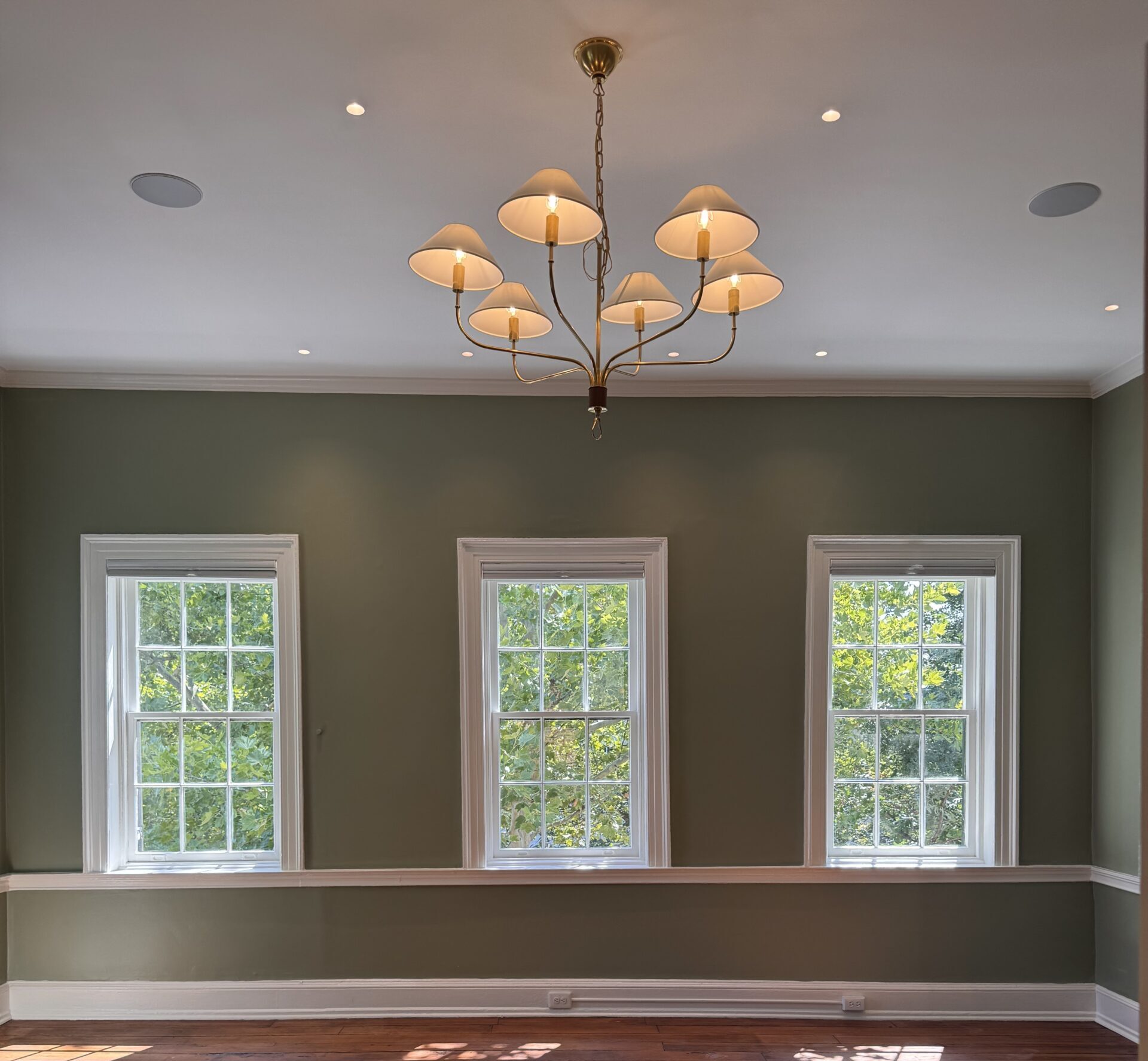
There’s something I love about walking through Georgetown or Capitol Hill and seeing how each row house has its own personality. The colorful facades, intricate ironwork, original windows, and architectural details tell the story of Washington, DC, and the generations of families who have called these houses home. But renovating one of these beautiful old […]
November 19, 2026
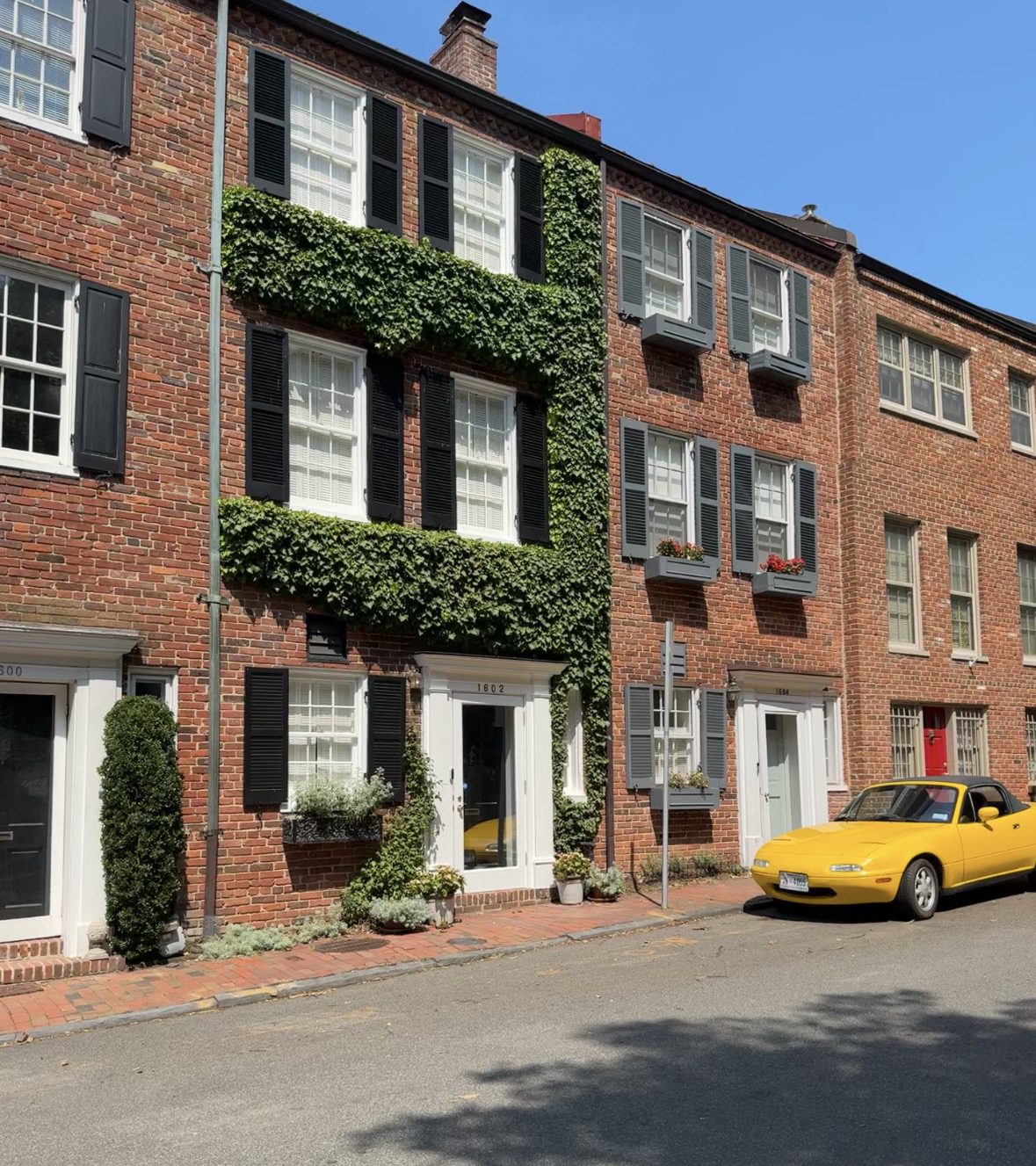
When you’re renovating a home that’s 60, 100, or even 150 years old, I don’t think the goal should be to make everything look brand-new.
If you walk into a century-old house and can immediately tell that every finish, fixture, and architectural detail was installed within the last five years, something has been lost along the way.
Of course, we want our homes to accommodate the way we live today. Kitchens need to function for modern families, bathrooms should be comfortable, and older layouts sometimes need to be reconsidered. But there’s a difference between thoughtfully updating a historic home and removing the very things that made it special in the first place.
For me, the most successful historic renovations feel as though the home has evolved naturally over time. Some elements may be original, others might be antiques, and still others can be completely contemporary. It’s the relationship between them that makes a home feel collected, interesting, and true to its history.
October 26, 2026